Lewisville, TX's Pier Installation Specialists
Stabilize Settled Foundations With Proper Piers
Get a pier installation estimate based on soil, load, access, and elevation readings.
Lewisville, TX's Pier Installation Specialists
Get a pier installation estimate based on soil, load, access, and elevation readings.
Pier installation is the standard fix when a Lewisville foundation has settled beyond what sealing, drainage work, or monitoring can solve. Piers support the affected areas from deeper, more stable ground rather than relying on the moving clay near the surface.
Concrete pressed piers are common for many North Texas slab repairs. Steel helical piers may be recommended where soil conditions, access, lighter loads, or specific engineering requirements make them a better fit. The right pier type depends on the structure and the subsurface conditions.
The process usually involves excavating at selected support points, installing piers to refusal or engineered depth, setting brackets, and lifting the foundation carefully. A controlled lift matters because aggressive correction can crack finishes, strain plumbing, or create new stress in the slab.
Lewisville homeowners should ask for a clear pier count, layout, warranty, and explanation of what the lift is expected to accomplish. A cheaper bid with too few piers may leave movement unresolved, while an inflated pier count can drive cost without adding value.
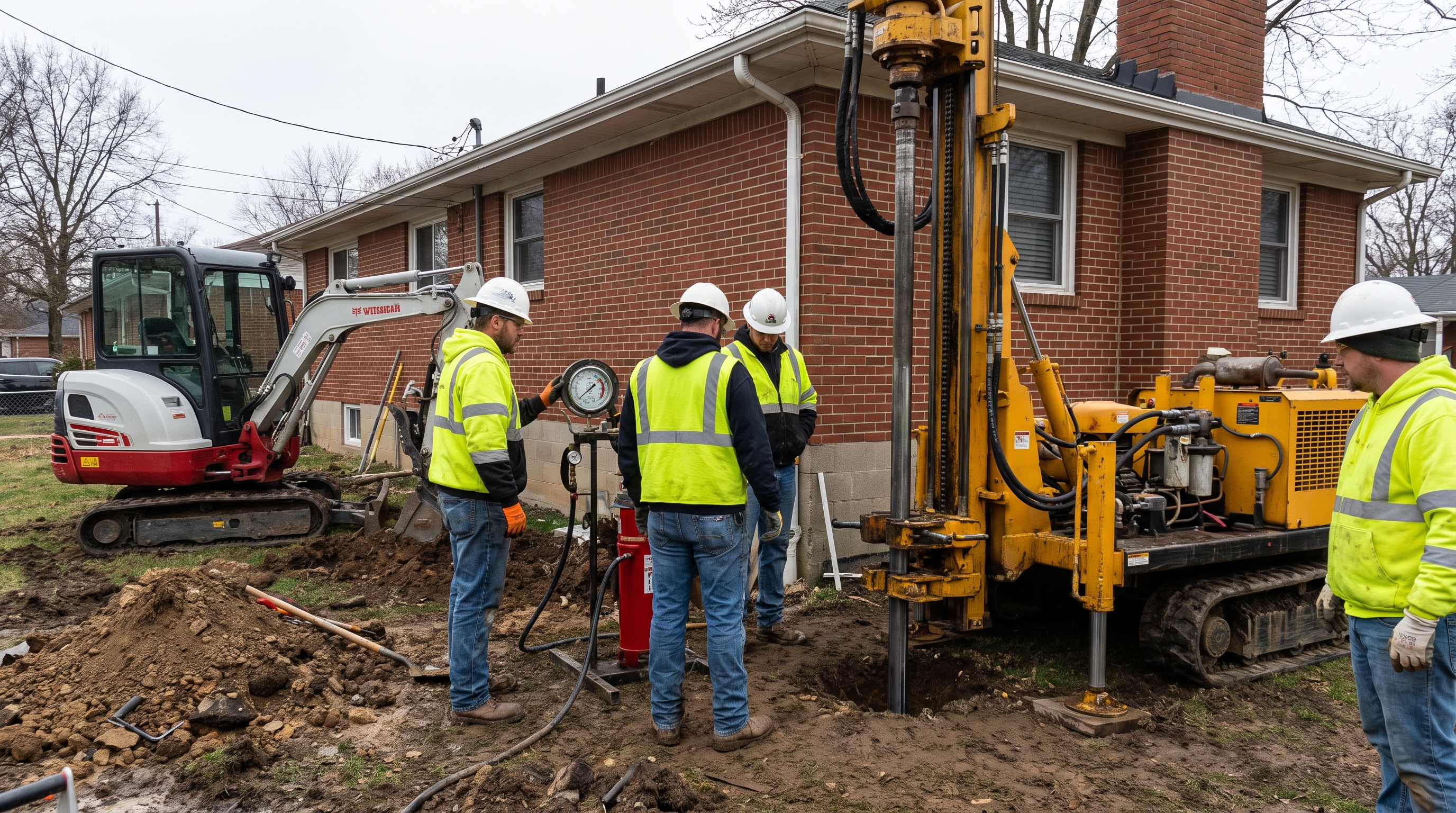
Pier installation includes structural planning, excavation, pier placement, controlled lifting, and warranty documentation. The details vary by pier type and foundation design.
Pier locations are selected based on elevation readings, wall loads, grade beams, and access around the property. A good layout supports the settled area without overloading the slab during lift.
Concrete pressed piers are driven in sections until they reach suitable resistance. Steel helical piers are screwed into the ground to a target torque or engineered depth.
The foundation is lifted slowly to improve elevation and function where possible. Final paperwork should document pier locations, warranty terms, and any limitations.
You should know why a contractor recommends concrete pressed piers, steel helical piers, or another support method. The explanation should connect to the home, not just the contractor's preferred system.
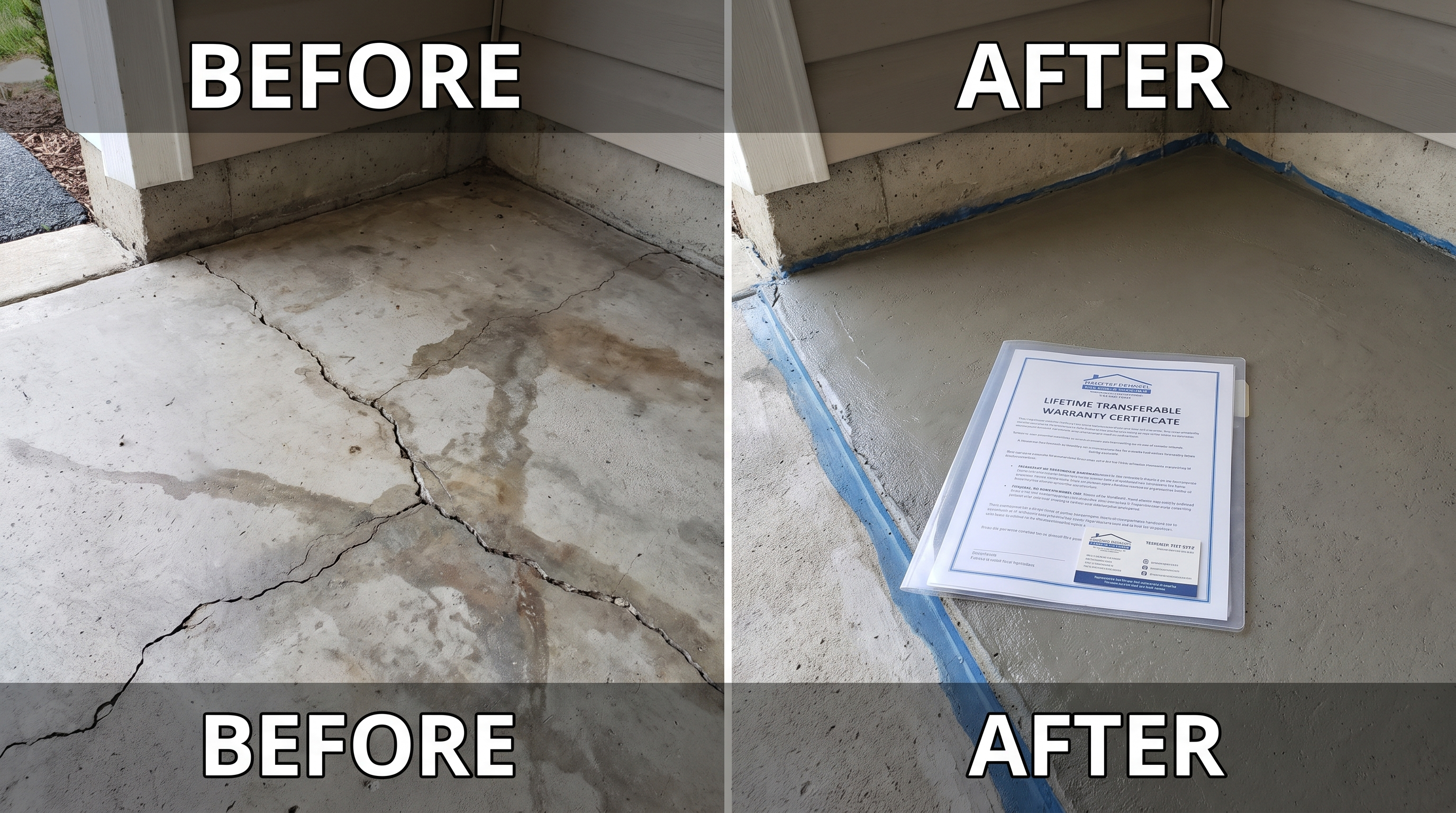
Pier work is a structural repair that future buyers will ask about. Written warranty and layout records make that conversation much easier.
Ask for a pier estimate with layout, lift goals, and warranty terms in writing.
Free — no obligations
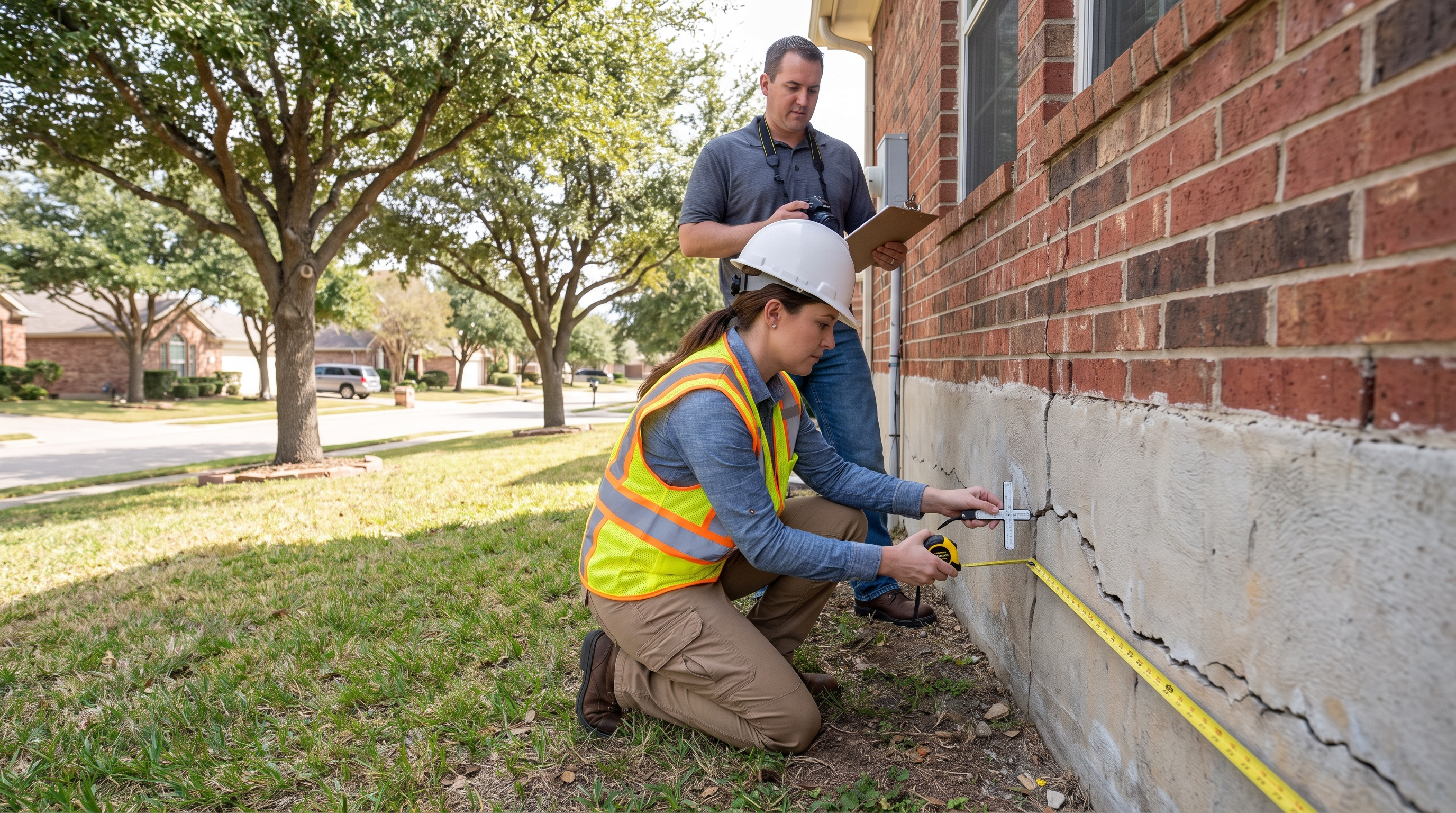
Measurements confirm where the foundation has settled and whether pier support is justified.
The contractor recommends concrete pressed piers, steel helical piers, or another method based on load, soil, access, and engineering needs.
Work areas are opened, piers are installed to the required support, and brackets are set under the foundation.
The settled area is lifted carefully, final conditions are checked, and warranty records are delivered.