Lewisville, TX's Foundation Crack Inspection Specialists
Find the Cause Behind Lewisville Foundation Cracks
Book a free inspection before a small crack becomes a larger structural repair.
Lewisville, TX's Foundation Crack Inspection Specialists
Book a free inspection before a small crack becomes a larger structural repair.
A foundation crack inspection should identify movement, not just measure the visible gap. In Lewisville, the soil history around the home matters because expansive clay can lift one section after heavy rain and leave another section unsupported during drought.
The inspection starts with the symptoms homeowners usually notice first: drywall cracks above doors, brick stair-steps, trim gaps, sloping floors, and doors that stick after seasonal weather changes. Those clues are checked against exterior grading, downspouts, tree placement, and signs of moisture imbalance.
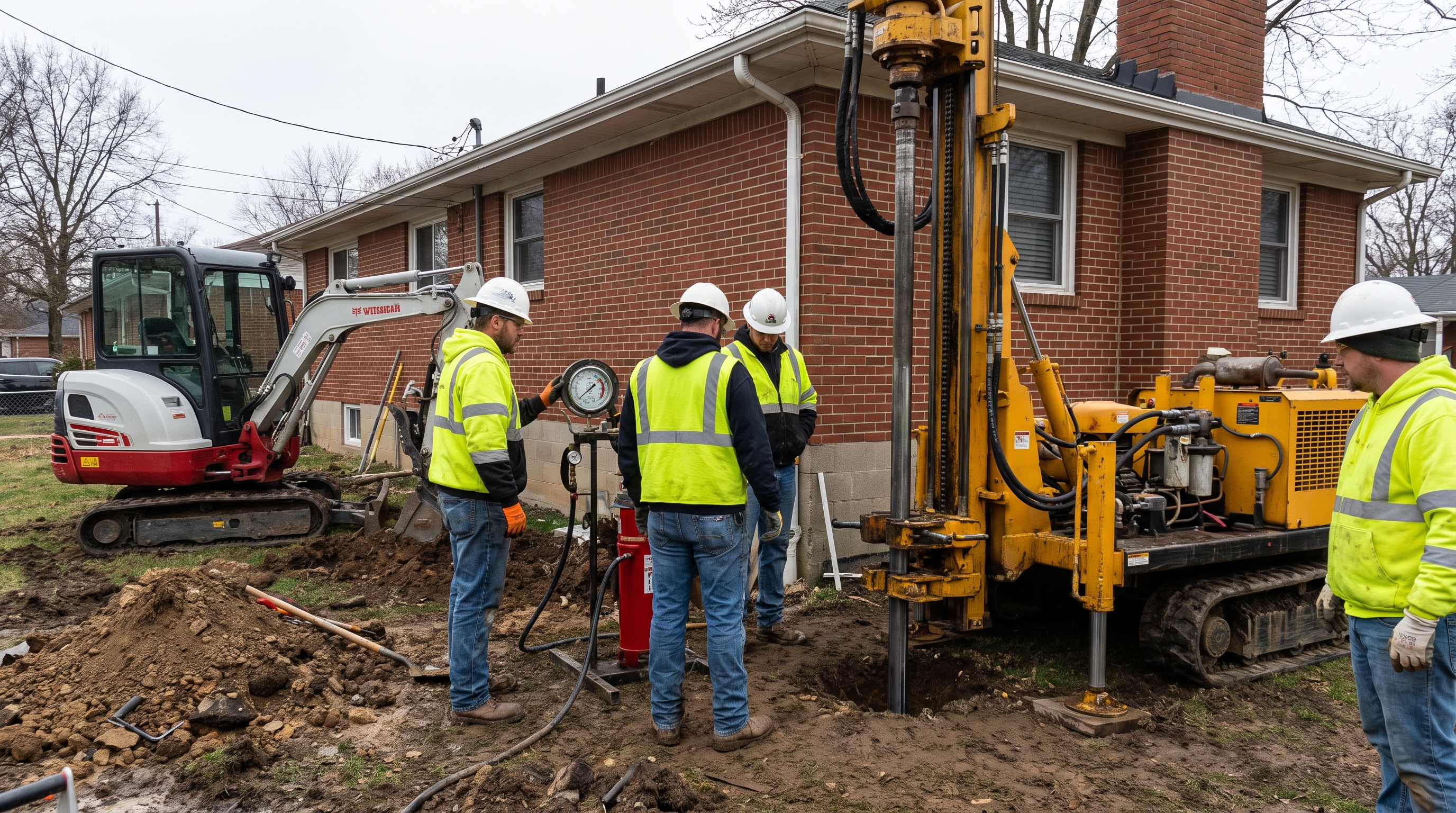
Elevation readings help show whether the foundation has dropped, lifted, or remained within a normal range. For older Lewisville slabs, especially tract homes from the 1980s and 1990s, these measurements are often the difference between a simple crack repair and a pier-supported structural plan.
If the inspection points to active movement, the contractor may recommend an engineer's report, plumbing test, drainage correction, or repair bid with warranty terms. If the crack is stable, the recommendation may be monitoring and sealing instead of unnecessary piers.
A complete inspection looks at the crack and the conditions causing stress around it. The goal is to document movement clearly before any repair is priced.
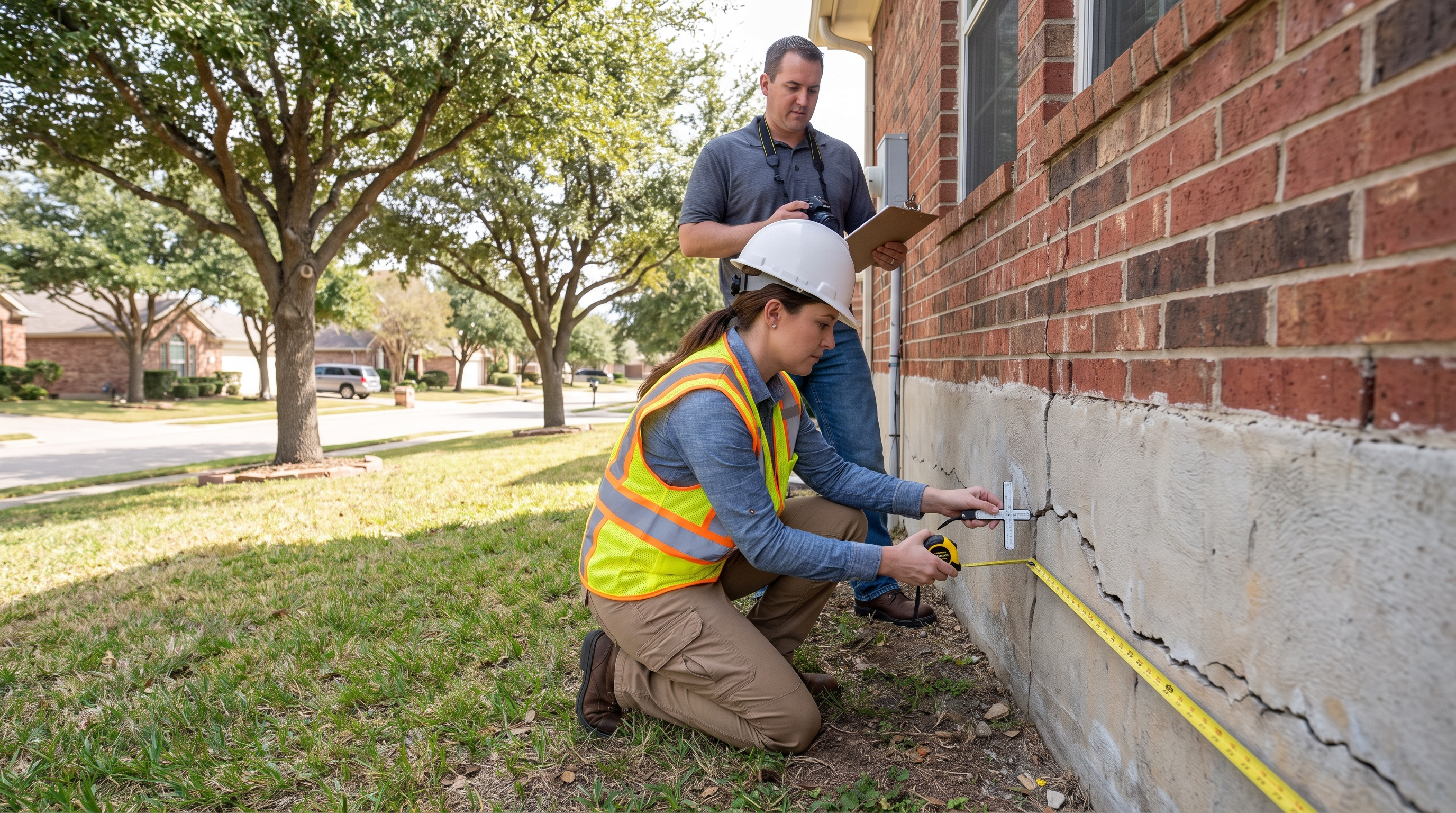
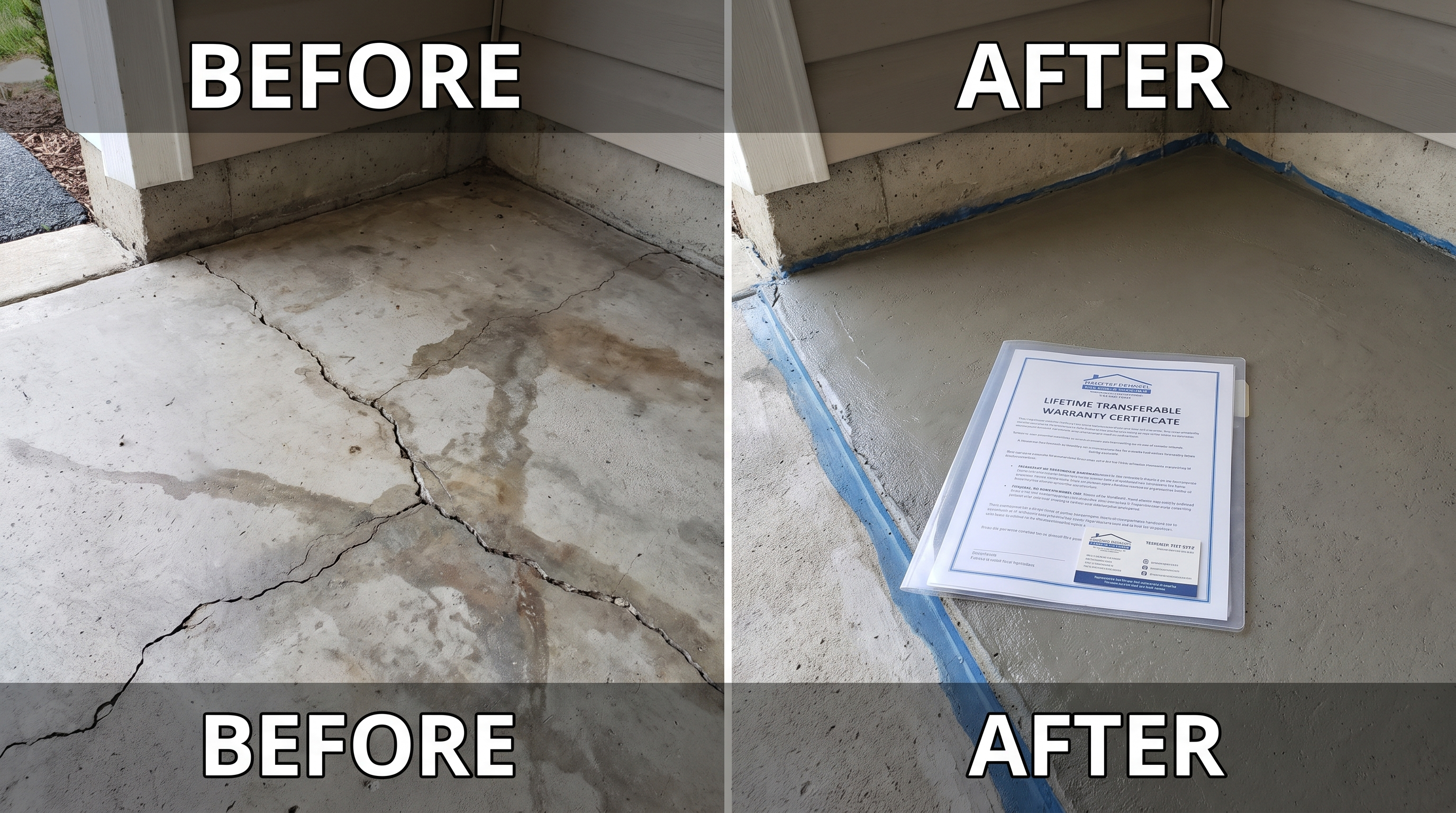
The contractor checks sheetrock, brick veneer, slab edges, garage floors, and expansion joints. Crack angle, width, location, and nearby symptoms help determine whether the issue is cosmetic or structural.
Floor elevations are measured across the home to locate high and low areas. These readings show whether the foundation has differential movement that may require leveling or pier support.
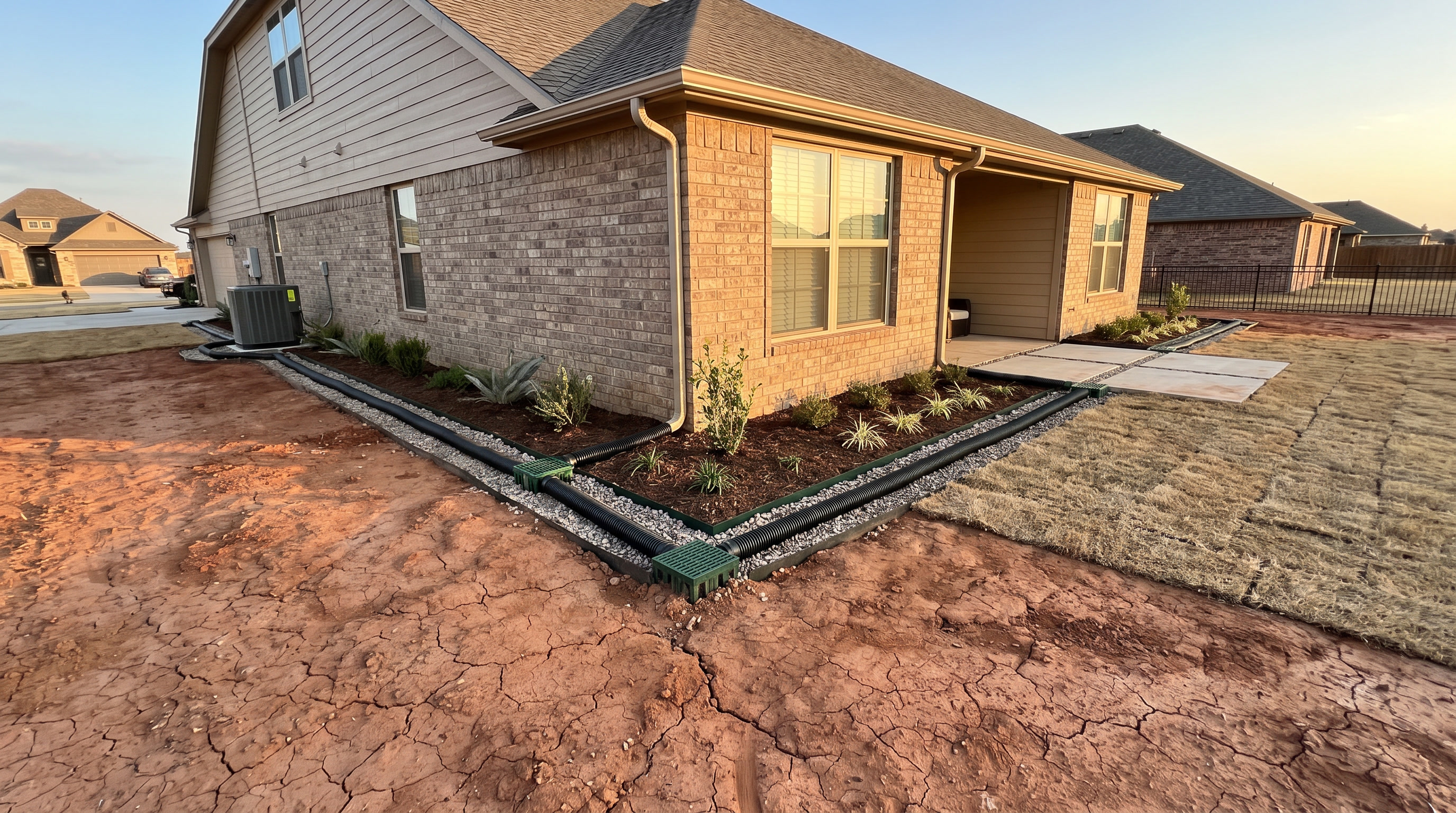
Downspout discharge, grading, pooling water, irrigation patterns, and soil gaps around the slab are reviewed. Moisture control is especially important near Lake Lewisville and in flat-lot subdivisions.
The first priority is identifying whether the crack is still moving. That keeps the repair conversation tied to evidence instead of selling a pier plan before the measurements support it.
Lewisville homes often show movement through brick separation, garage slab cracks, and sticking doors before the problem feels major. Local pattern recognition helps catch issues earlier.
Get a clear read on your crack before paying for structural work.
Free — no obligations
You point out cracks, sticking doors, sloped areas, or prior repairs so the inspection starts with the issues you are seeing.
The contractor reviews brick, grade, drainage, downspouts, trees, soil separation, and visible slab edges.
Measurements are taken across the structure to determine whether the slab has dropped, lifted, or stayed within normal tolerance.
You receive a recommendation for monitoring, sealing, drainage correction, engineering review, leveling, or pier installation.